
Plants That Encourage Bees into Your Garden
Why Bees Need a Hand in Your Garden
Bees are doing it tough. Habitat loss, variable weather and a shortage of flowers through the lean months have all taken a toll on our bumblebees, solitary bees and honeybees. The good news is that gardens have quietly become one of the most valuable foraging landscapes in the country — a well-planted suburban plot can support more bees than an acre of sprayed farmland.
What bees actually want is simple: nectar for energy and pollen for protein. Nectar is the fuel that keeps them flying; pollen feeds their larvae back at the nest. A garden that offers both, from February through to November, is a garden that buzzes. The trick is choosing the right plants, and choosing enough of them.
Single Flowers Beat Double Flowers
If you remember one rule from this article, make it this: single-flowered varieties are far better for bees than double-flowered ones. A single flower has an open centre with visible stamens and a straight run at the nectar. Double flowers — the frilly, pom-pom types bred for show — often have their nectar-bearing parts replaced by extra petals, so bees arrive, find nothing, and waste precious energy.
This applies across the board. A single-flowered dahlia, a species rose, a simple cosmos and an open-hearted hellebore will all be visited. Their flounced, doubled-up cousins usually won't. When you're at the garden centre, look for a flower you can see straight into.
Feed Them from Late Winter
Early spring is when colonies are waking up and there is precious little about. Queen bumblebees emerging from hibernation in February and March need immediate fuel. Anything you can offer now is genuinely lifesaving.
- Willow (Salix caprea) — one of the single best early pollen sources in Britain. A goat willow in a corner will hum on a mild March day.
- Crocus — plant corms in autumn in generous drifts, not singles.
- Hellebore — the Christmas rose and its relatives flower in the worst of the weather.
- Pulmonaria (lungwort) — shade-tolerant, nectar-rich, and a favourite of long-tongued bumblebees.
- Winter honeysuckle (Lonicera fragrantissima) — scented, shrubby, unfussy about soil.
- Flowering currant (Ribes sanguineum) — early, cheerful and useful.
- Dandelions and daisies — leave a patch of lawn unmown and let them flower. Free food, no effort.
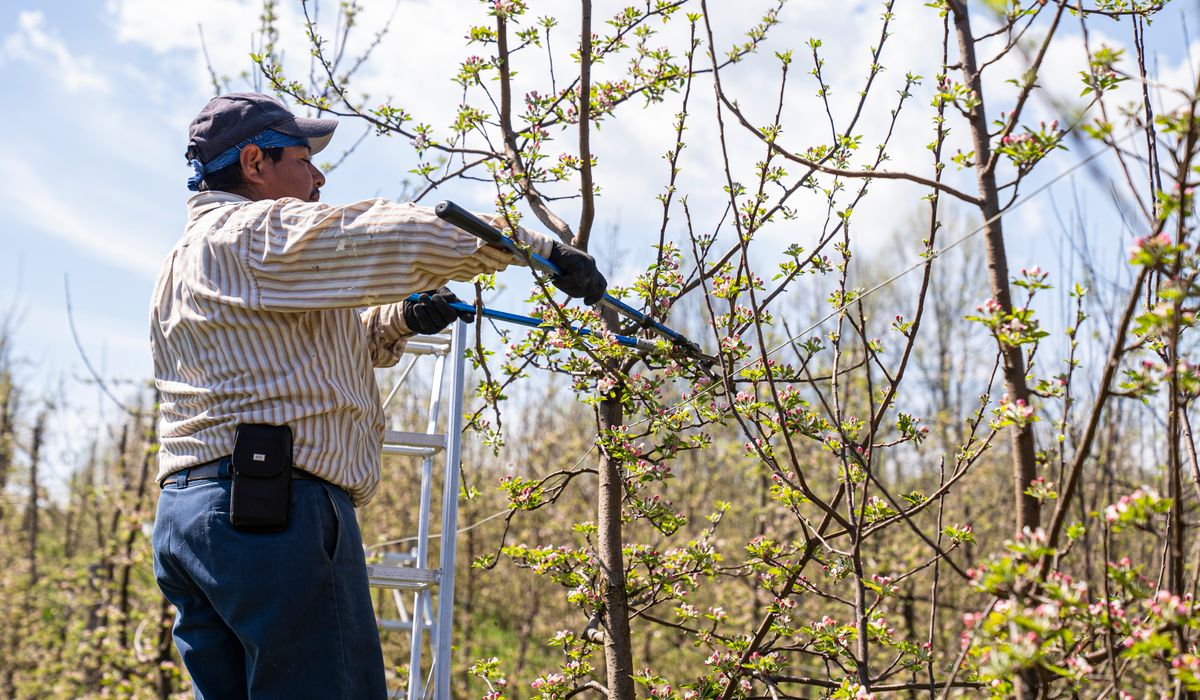
Fruit trees earn their place too: apple, plum, pear and cherry blossom all arrive at exactly the right moment, and you get a crop out of the deal.
Summer: The Main Event
From May to August, bees should never go hungry. This is the time to plant generously and in clumps — bees are creatures of habit and will work a patch of one species thoroughly rather than flitting between odd singles.
- Lavender — drought-tolerant, long-flowering, and adored by bumblebees. Clip lightly after flowering, never into old wood.
- Catmint (Nepeta) — if you only plant one thing, plant this. Shearing it back after the first flush gives you a second and third wave of flowers.
- Borage and comfrey — deep flowers for long-tongued bees; borage will self-seed happily.
- Foxgloves, campanula and hardy geraniums — cottage-garden stalwarts that bridge the gap between spring and high summer.
- Echinops, eryngium and alliums — globe shapes that bees can land on and walk across.
- Herbs — thyme, oregano, marjoram, chives and sage. Let some run to flower rather than pinching everything back for the kitchen.
- Phacelia and calendula — quick, cheap annuals that will fill a bare patch within weeks of sowing.
Keep the Larder Open into Autumn
As the year turns, bumblebee queens are fattening up for hibernation and honeybee colonies are laying down winter stores. Late flowers matter enormously, and this is the season most gardens fall silent.
- Asters and Michaelmas daisies — the classic autumn bee plant, flowering right through September and October.
- Sedum (Hylotelephium) — flat, fleshy flowerheads that stay useful for weeks.
- Single-flowered dahlias — tender, but they'll flower until the first frost.
- Helenium, rudbeckia and echinacea — bold, daisy-like, and easy in most soils.
- Ivy — unglamorous, but an ivy in full flower in October is one of the richest nectar sources in the country. Resist the urge to cut it all back.
- Verbena and penstemon — will keep going well into autumn if you deadhead regularly.
Small Things That Make a Big Difference
Planting is the bulk of it, but a few simple habits multiply the effect.
Leave the deadheading until spring where you can. Seed heads and hollow stems shelter overwintering insects, and many solitary bees nest in dry, pithy stems. A slightly untidy corner is not laziness — it's habitat.
Put in a shallow water source. A saucer of water with a few pebbles gives bees somewhere safe to drink without drowning.
Skip the pesticides. Even "bee-friendly" sprays and slug pellets can do real harm. Handpick, encourage birds and hedge your bets with healthy soil.
Plant in patches, not sprinkles. A three-foot block of catmint will be visited far more heavily than the same number of plants dotted about the border.
Aim for a sheltered, sunny spot. Bees are cold-blooded and slow to start on cool mornings. A south-facing border, out of the worst of the wind, will be working long before the rest of the garden wakes up.
You don't need a meadow or a wildflower verge. A handful of well-chosen plants, blooming in succession from late winter to late autumn, turns any garden — balcony, courtyard or full-size plot — into a reliable pit stop. Start with three or four from each season, watch what the bees choose, and plant more of it next year.


Start by feeding soil, sowing hardy seeds and pruning shrubs that flower on new wood. A steady start leads to healthier plants later.
Use evergreen shrubs, gravel and repeated planting to reduce upkeep. Strong shapes and year-round foliage keep the frontage looking tidy.
Clay holds nutrients but drains slowly. Add organic matter, avoid working wet soil and choose plants that tolerate heavy ground.
Basil, parsley and chives thrive in containers with good light. Water carefully and harvest regularly to keep plants bushy and productive.